Quick answer: How long do furnaces last in Texas? Longer than the brochures promise. The national figure is 15 to 20 years; around DFW a maintained furnace routinely pushes past 20, because our winters barely ask it to work. The catch is the seven or eight months it stands still, which breed failures of their own: a fouled flame sensor, dust in the burners, a heat-soaked control board. If yours is past 20 and the AC beside it has already needed repairs, have the repair or replace conversation in sweater weather, not at six on the morning of the first hard freeze.
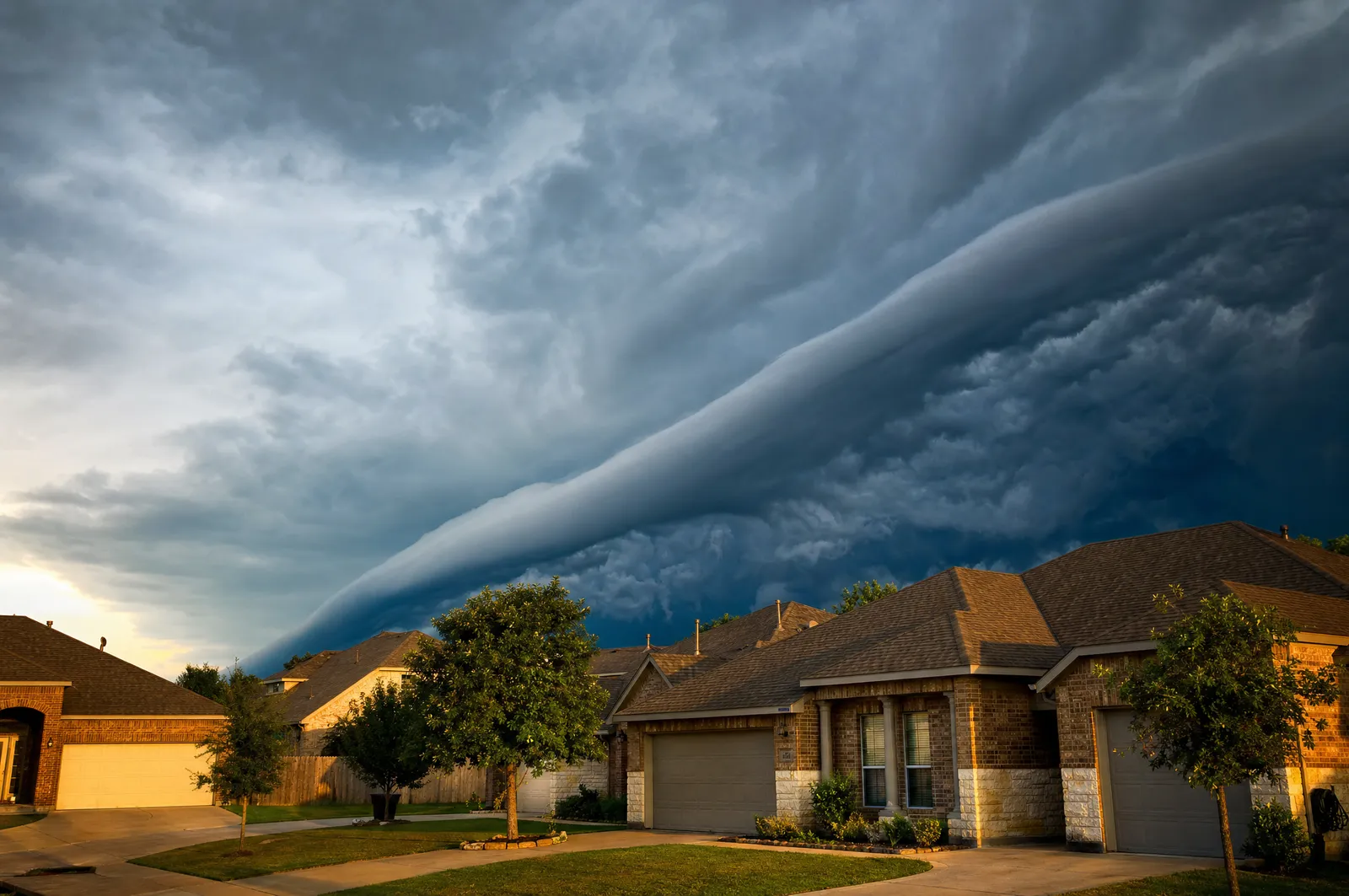
The first blue norther drops the overnight low into the thirties, and by breakfast half the metroplex is reaching for a thermostat that has not called for heat since March. Most of those furnaces wake up fine, minus a lungful of scorched dust. Some click, hesitate, and quit. And the homeowner under the attic hatch assumes the worst, because the unit is old, and old is the story everybody knows.
Usually it is not the worst. A furnace in Minneapolis logs thousands of hours between October and April; a DFW furnace across a whole winter is a rounding error by comparison. But furnaces do not only wear out from running, and ours get plenty of practice at the other kind of aging.
So How Long Do Furnaces Last in Texas, Really?
Nationally a gas furnace is rated for 15 to 20 years, a number built around equipment that works for a living, cycling steadily from first frost to spring thaw. A Texas furnace never lives that life. Our heating season is a few hard freezes and the odd ice storm, and the average first freeze at DFW holds off until around November 22.
Fewer hours means less wear on what fails from use: burners, blower motors, inducer assemblies, heat exchangers. That is why we still service furnaces here at 22 and 25 without much drama, condensing models especially. But a furnace that fires in short bursts a dozen times a winter does not age like one running half the year. It ages somewhere else.
Standing Still Is Not the Same as Resting
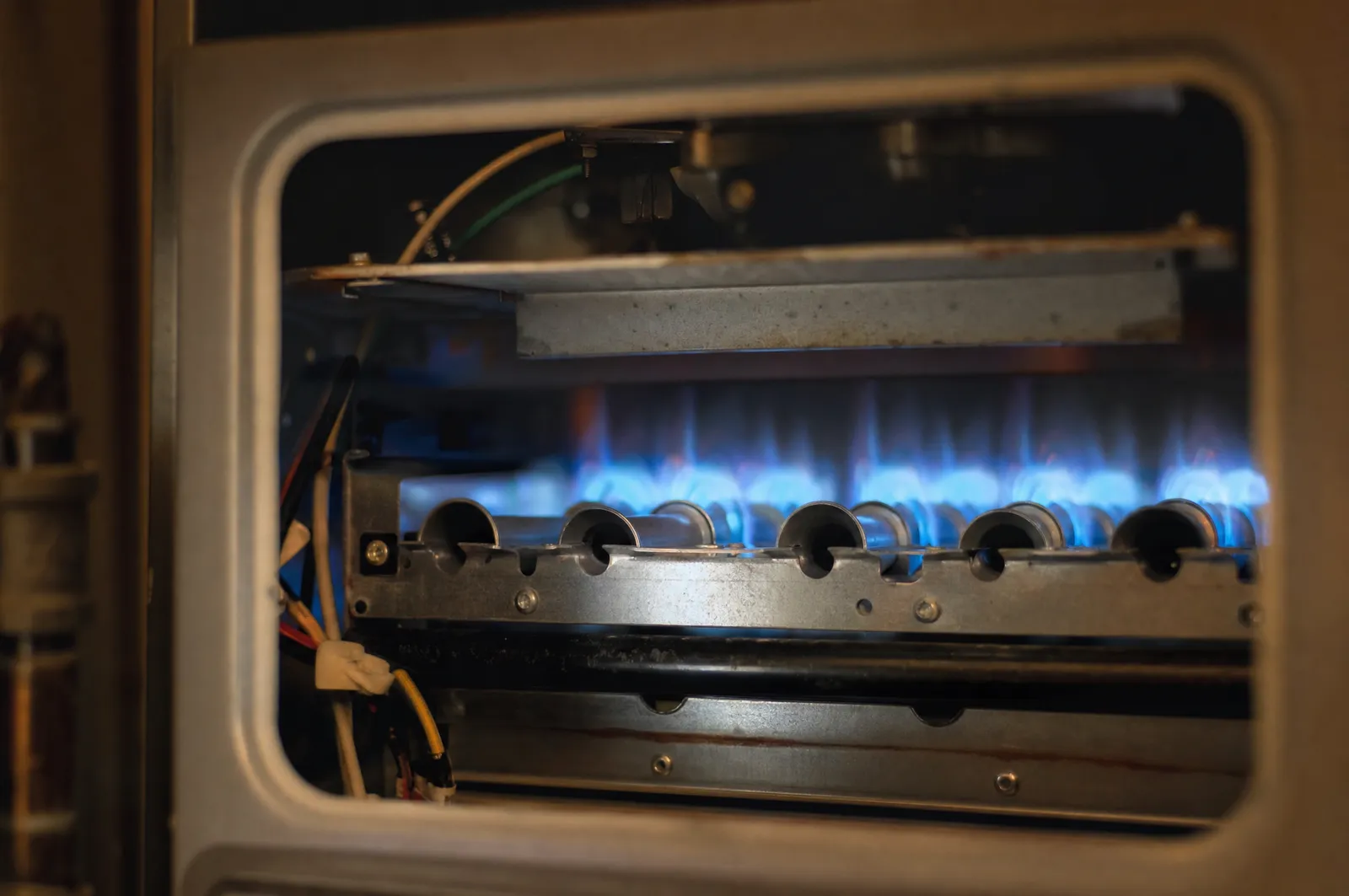
From spring through October most furnaces here do not run at all. That sounds restful. It is not. Dust settles into the burners and across the heat exchanger all summer, then cooks off the first time the system fires. That is the singed smell. An hour of it is normal, worth nothing more than an open window. If it drags on, or turns sharp and electrical, shut the system down and call. If you smell gas, do not troubleshoot anything: get everyone out and call the gas company from outside.
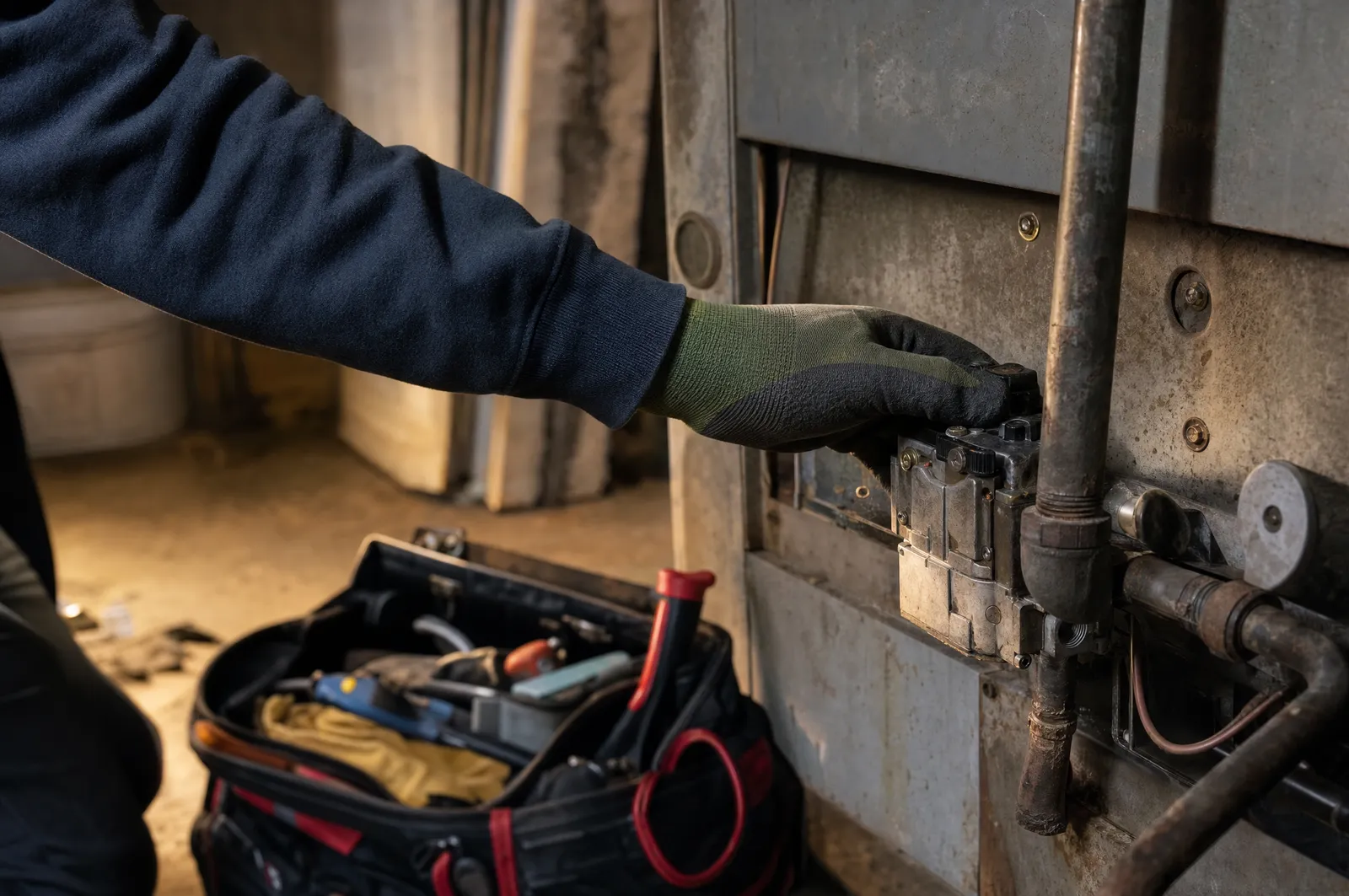
The flame sensor takes the worst of the idle season. It is a thin metal rod that proves to the control board the burner actually lit, and it only works clean. Months of humid attic air leave it under a film of carbon and oxide, and that film is why a furnace lights, runs a few seconds, and shuts itself off on the season's first cold morning. It says nothing about age: a 25 year old furnace and a four year old one fail this identical way. It leads our rundown of the furnace problems we see across Dallas.
The Attic Does Not Take the Summer Off
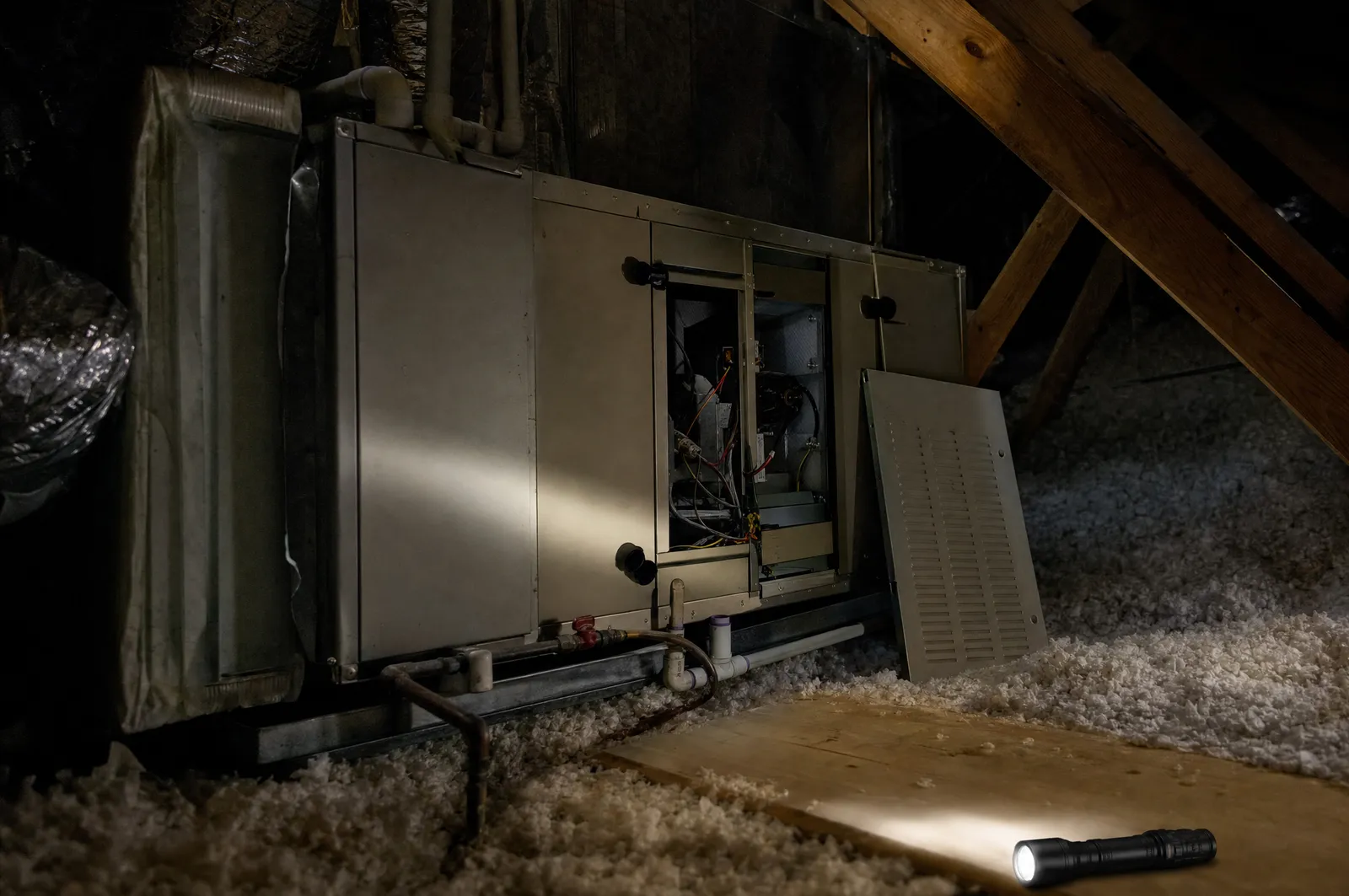
Most furnaces around here live overhead, and a North Texas attic in July is a slow oven, routinely past 130 degrees and hotter still under a dark roof. The burners are cold all summer, but the control board is not: the small circuit running ignition timing, blower speed, and every safety switch sits up there through all of it.
Electronics do not love that. The board bakes all day, cools overnight, and over enough summers that cycling works on solder joints until one gives up. It is why a board can quit on a furnace whose burners have barely been used, which strikes homeowners as deeply unfair and is nonetheless how it goes. We see it most in older Dallas homes where the furnace was shoehorned into a low attic behind a plank walkway and a prayer.
What Keeps a Texas Furnace Running Past 20
The 25 year old furnaces we still service have a boring story behind them, every time. Somebody kept up.
- A tune-up every fall, before you need it. The flame sensor gets cleaned and the ignition sequence tested on a 70 degree day, not diagnosed on a 28 degree morning with the house at 55.
- Filter changes through the summer too. The blower pushing your cold air in August is the same motor that has to push hot air in January. A choked filter leans on it either way.
- A carbon monoxide detector on every level and outside the bedrooms, tested. It costs less than a service call, and it is the one thing that tells you what the furnace cannot.
- Somebody laying eyes on the equipment. A furnace nobody has looked at in six years is where a chewed wire or a rusting drain pan quietly becomes a real repair.
Our maintenance agreements build that rhythm in and back it with 10-year parts and 10-year labor warranties. They cover the whole system, not just the half that earns its keep in July.
When the Calendar Should Win the Argument
Age by itself is no reason to replace a furnace that heats the house and passes inspection. Two things change that math on a unit already limping.
Parts availability is the quiet one: past 15 to 18 years, control boards, igniters, and inducer motors get harder to source, and a discontinued part turns a same-visit fix into a week of space heaters. Efficiency is the other. The federal minimum is 80% AFUE, and 80% units still go in here for a reason: with a season this short, the payback on a condensing model in the 90s runs far longer in Rockwall than in Rochester. Replace a Texas furnace because it has become unreliable or unsafe, not because someone promised you a winter of savings our climate cannot deliver.
Heat exchangers deserve a straight word. A cracked one is a real safety problem and a legitimate reason to replace. It is also the most abused scare tactic in this trade. If a technician tells you yours is cracked, ask to see it on camera. That request is normal, and a good technician already has the footage. If it is confirmed, the furnace goes off and stays off: that is the failure that puts combustion gas into the air you breathe. Any furnace past 15 years has earned an annual safety inspection, and a working CO detector regardless of age. If replacement is the answer, our free second opinion calculator gives you something to check the quote against.
One Old Furnace, One AC That Has Already Failed Twice
One scenario genuinely justifies replacing a furnace before it dies: it shares a system with an air conditioner that has already needed two or three repair calls. Both halves went in on the same day and aged on the same clock, though their workloads are nothing alike. The AC carries the house April into October while the furnace handles a few truly cold weeks, so it almost always raises its hand first. It is the early warning for both, and we put numbers to that half in how long AC units last in Texas.
Once both halves are old enough to be asking questions, replacing them together beats replacing them a year apart. A new furnace bolted to a decade-old coil rarely performs the way its ratings promise, and doing the job twice means paying for attic labor twice. We have that conversation on repeat in Mesquite subdivisions where a whole street went up in the same two years and comes due together.
Ready Before the First Hard Freeze
Whether that means a tune-up, a flame sensor cleaned, the furnace repair that buys you another winter, or a straight read on whether this one is worth fixing again, book from the calendar on this page, contact us online, or call 972-421-8000. Free call-out, free diagnostic, pricing published upfront, and an honest answer either way. That is how your neighbors at Stork's have done it for 30+ years.