Quick answer: A furnace blowing cold air is usually one of six things, and the first two are free to check. Set the thermostat fan to AUTO instead of ON, and give the burners a minute, since cool air early in a cycle is normal. If it stays cold, change the filter: a clogged one starves the heat exchanger and trips a safety switch that cuts the burners while the blower keeps running. Ignition faults, a dirty flame sensor, and leaky ducts are furnace repair.
October is when North Texas finds out what its furnaces did all summer. A blue norther drops the overnight low twenty degrees, thermostats flip from COOL to HEAT for the first time since March, and by the second morning a few thousand homeowners are standing under a supply vent with a hand out, feeling nothing warmer than the hallway.
The blower is moving air. The thermostat says HEAT. None of it is hot. The two likeliest explanations are yours to settle before the coffee finishes.
Start With the Thermostat Fan Switch
Nearly every thermostat has a fan setting separate from HEAT and COOL, with two positions: ON and AUTO. On ON, the blower runs around the clock, including the stretches between burner cycles, circulating whatever the ducts are holding. In a 62-degree house on a 40-degree morning, that is cold air by any definition.
Flip it to AUTO and the fan runs only while the burners are making heat. The setting gets bumped constantly, usually by someone who ran fan-only through a mild week in September and never switched back. If the display is dim, unresponsive, or in a mode nobody chose, the problem is the thermostat, not the furnace, and thermostat repair or replacement is the cheaper fix.
Sometimes Cool Air Means the System Is Working Correctly
A gas furnace doesn't make heat instantly. The ignitor glows, the burners light, and the heat exchanger has to warm before the control board turns the blower loose. Most also run the blower on afterward to scavenge the last heat. Catch a vent at either end of that window and the air feels cool, so give a cycle a minute before calling it a failure.
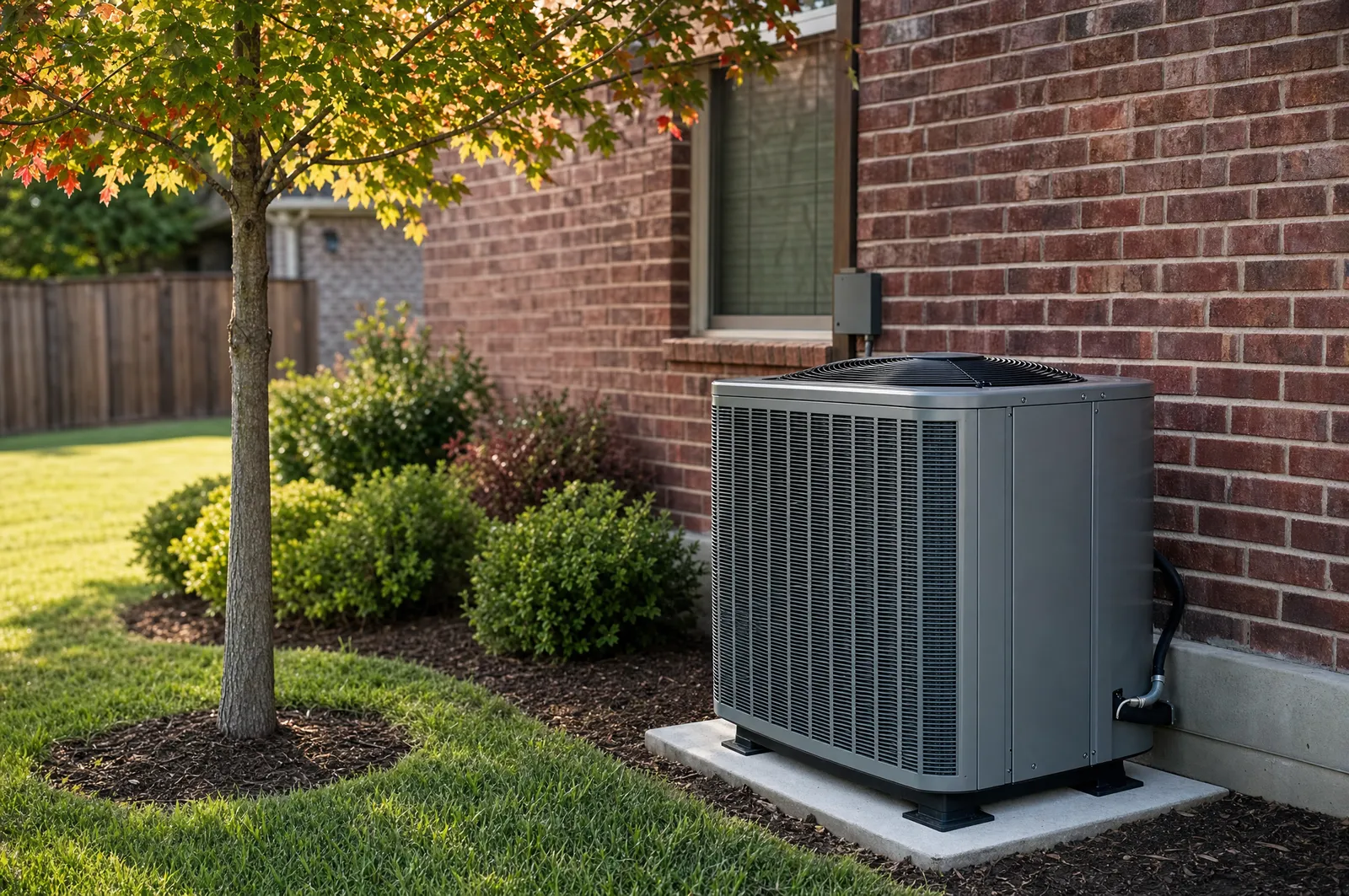
Heat pumps do their own version of this. When frost builds on the outdoor coil, the unit reverses for a few minutes to melt it off, and the indoor air genuinely turns cool. Damp North Texas mornings in the 30s and 40s set it off regularly. Heat that returns on its own is a heat pump working, not quitting, and here's how the two systems differ.
Most Often, It's a Filter Nobody Changed
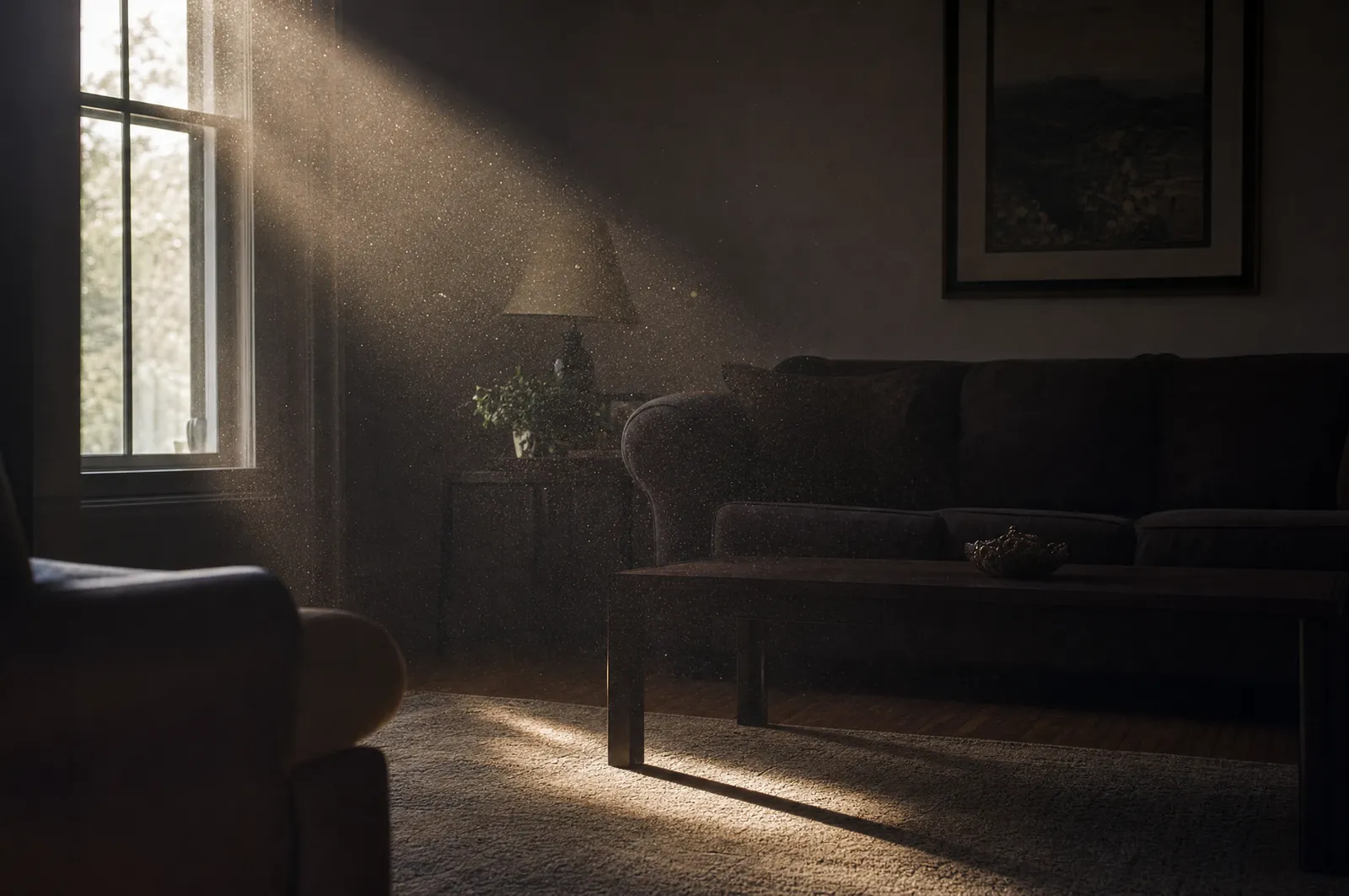
A furnace pulls house air across a hot heat exchanger and pushes it back warmed, and that depends entirely on steady airflow. A filter loaded with a summer of dust, dander, and whatever the return pulled in during ragweed season chokes it down.
Starve a heat exchanger of airflow and it runs hotter than it was built to run. Every furnace has a high-limit switch watching for that, and when the threshold is crossed it cuts the gas valve and stops the burners while the blower, on a separate control, keeps running to pull trapped heat from the cabinet. At the vent that reads as a furnace running forever and delivering nothing: a safety device doing its job.
Pull the filter and hold it to a light. If light doesn't come through, there's your answer. If a fresh one doesn't stop the cycling, or loads up again inside two weeks, something else is choking airflow: closed registers, a crushed return, an undersized filter slot. That earns a technician's eye, since repeated overheating is hard on a heat exchanger.
This is where our trade keeps its worst habit. If anyone tells you the heat exchanger is cracked and the furnace has to go, ask to see the crack on camera before you sign. A real crack photographs. We document ours, and a condemnation nobody will show you is worth a second opinion.
When the Burners Never Light at All
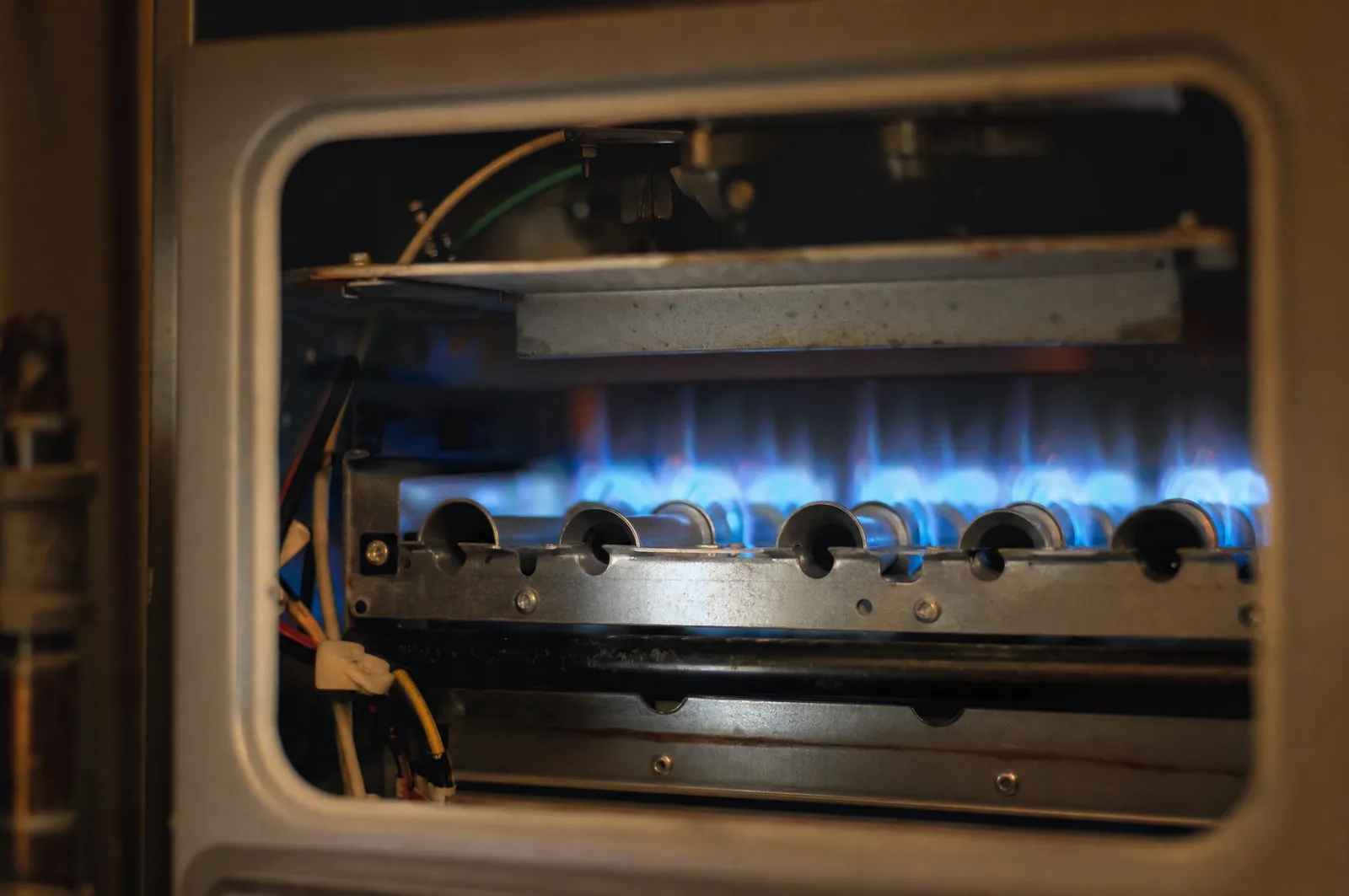
Plenty of furnaces run the blower at start-up whether or not the burners caught, which is how a house fills with moving, unheated air. Blame a hot surface ignitor too worn to light, a pilot that won't hold, or a gas valve not opening on command. After two or three failed tries, most boards lock out rather than keep sending gas to a chamber with no flame.
That's the end of the homeowner's half. Diagnosing an ignition fault means metering the ignitor, following the board through its call sequence, and working inside a compartment with a live gas connection. And if you ever smell gas, that stops being a repair question: leave the house, then call your gas utility from outside.
A Flame Sensor Coated in Carbon Shuts the Whole Thing Down
Every modern gas furnace proves its own flame before committing to a cycle. A thin metal rod sits in the burner flame, a small current passes through it, and the board reads that current as proof the burners lit. After eight months idle, the rod picks up a film of carbon that can't pass a clean signal, so the board decides there's no flame and closes the gas valve seconds after ignition.
The symptom mimics the filter problem: a whoosh of ignition, then blower-only air, then a system that gives up. The fix is a few minutes with fine emery cloth, not sandpaper, whose grit leaves residue on a rod carrying a current measured in millionths of an amp. Older equipment carbons up fastest, which covers many established streets around The Colony, where an uncleaned sensor is often the whole story.
Heat That Leaks Out Before It Reaches a Vent
A furnace can run perfectly and the house still feel underheated if the ducts lose the air. ENERGY STAR puts typical duct losses at 20 to 30 percent, escaping at boots, open joints, and unsealed seams. Supply air leaves a gas furnace around 120 to 140 degrees, and a Texas attic on a cold morning sits near the outdoor temperature, so every foot of leaky duct up there heats your attic at your expense.
The newer single-story plans around Forney show it well: a wide footprint means long runs, more joints, more chances for a seam to let go. The signs of leaky ducts show up year-round. The answer is never a bigger furnace. It's sealing and repairing the ducts you already paid for.
What's Yours to Fix, and What Sits Behind the Burner Door
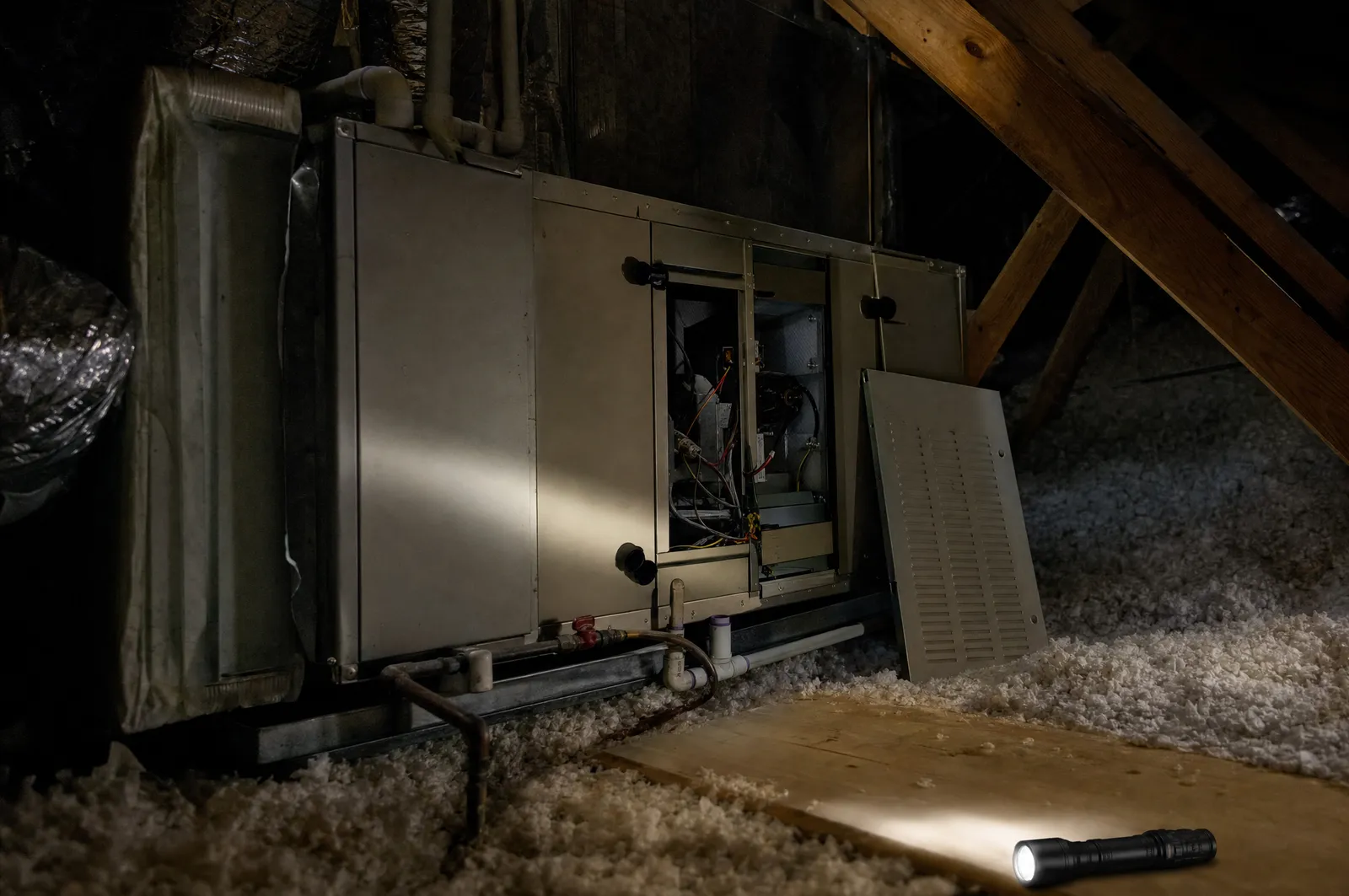
Two things belong to you: the thermostat fan setting and the filter. Everything past that sits behind a burner door with combustion on the other side.
While the furnace has your attention, test your carbon monoxide alarms and check where they sit: one on every level and one outside each sleeping area, including the level the furnace lives on, not just the floors with bedrooms. A furnace tripping a safety switch is not a carbon monoxide event, and we won't pretend otherwise to sell you something. But any gas appliance earns working alarms and a yearly look, for the same reason you keep smoke detectors in a house that isn't on fire.
Sort It in October, Not in January
Almost nothing here arrives suddenly. The filter loaded up all summer on air conditioning duty. The flame sensor carbonized over several winters. The duct seam has been quietly opening for years. None of it announces itself until the first morning that really demands heat, which in DFW lands well ahead of our average first freeze in mid-to-late November. If the system hasn't run yet this season, our first cold front checklist is worth twenty minutes, and an annual maintenance agreement takes the remembering off you. Our guide to furnace problems in Dallas covers the rest.
Cold Air This Morning, Heat by Tonight
Book straight from the calendar on this page, reach us online, or call 972-421-8000 and talk to a person, often about a same-day slot. Free call-out, free diagnostic, and the price in front of you before anyone picks up a tool. Thirty-plus years of North Texas winters says most of these calls end with a filter and a sheepish laugh, and we'd rather drive out for that than leave you guessing in a cold house.