Quick answer: A furnace not working on the first cold front almost never broke that morning. It broke quietly in July, while nobody was asking it to run, and a dead igniter or a residue-coated flame sensor keeps that to itself until the thermostat finally calls for heat. Test yours on a mild September evening: switch the thermostat to heat, listen for the ignition sequence, then hold a hand over every register. Anything that sounds or smells wrong is a heating repair worth booking now, while the schedule is open, instead of the week the whole metroplex calls at once.
Sometime in October, North Texas does the thing it always does. You run the AC through the afternoon, go to bed with the thermostat still set to cool, and wake up to a north wind and a porch thermometer reading thirty or forty degrees under yesterday's high. That's a blue norther. Most of the country slides into fall over a few weeks. We get ours in one night, usually while everybody's asleep.
By seven that morning, half the metroplex is pressing the heat button for the first time since March, and a good share of those houses learn that nothing happens. That isn't the front's doing. Whatever gave up during the idle months, a worn igniter, a filter nobody has touched since the AC was carrying the load, something that decided to nest in the flue, stays silent until the moment you need heat. Which is why the best ten minutes you'll spend this month happen on a mild evening, windows open, nobody uncomfortable.
A Furnace Not Working on the First Cold Front Usually Broke in July
Heating equipment fails in storage, not in service. From March to October the igniter sits cold, the flame sensor sits dirty, and the flue collects dust, insulation fibers, and the occasional insect nest, none of it noticeable with the system off. Then the front arrives and all of it reports in at once, on the same morning, across the same three counties. That is the whole argument for finding out on a Tuesday in late September instead of a Thursday in late October.
Change the Filter Before You Test Anything
Your furnace breathes through the same filter the air conditioner has been pulling against since May, and after a DFW summer it carries dust, ragweed pollen, and pet hair in roughly equal parts. Start there, because a choked filter imitates half the failures further down this page. Hold the old one up to a light. If you can't see the bulb through it, it isn't a filter anymore, it's a lid. Same reasoning behind an end-of-summer tune-up, just aimed at the half of the system about to take over.
Run the Test on a Mild September Evening
Pick a night when it drops into the sixties after sunset, so a failed test doesn't leave anyone sweating. Move the thermostat off cool, switch it to heat, and set the target a few degrees above what the room actually reads. Blank screen, frozen display, or nothing at all after several minutes? Change the batteries before you blame the furnace, because more first-of-season no-heat calls end at a thermostat that quit over the summer than anyone expects. Otherwise, go stand where you can hear the equipment, which in most North Texas homes means under the attic hatch, not in the living room.
What a Healthy Ignition Sequence Sounds Like
A gas furnace starts in a fixed order, and knowing the order is what separates working from about to leave you cold. First the inducer motor spins up, a whir that clears the combustion chamber before any gas moves. A few seconds later comes a click, or an orange glow off the igniter, then a soft whoosh as the burners catch. Half a minute to a minute after that, the blower starts and warm air reaches the vents. Whir, click, whoosh, blower, no long gaps between them. That furnace will handle October.
If your home runs on a heat pump instead of gas, there is no ignition to listen for. You're confirming the outdoor unit runs when the thermostat calls for heat and that the registers deliver warm air, which on a heat pump feels warm rather than hot. That's normal. So is the cool air a defrost cycle blows once real cold arrives.
The Dusty Smell Is Normal. Two Others Aren't.
The first burn of the season smells like scorched dust, and it should. A summer settles onto the heat exchanger and the burners, and the first time everything gets hot, that dust goes with it. Crack a window and give it fifteen minutes to an hour. What doesn't belong: hot plastic or burning wire insulation, which means shut it down at the thermostat and leave it off until somebody looks, and the sulfur smell added to natural gas, which means everyone walks out and calls the gas company from the yard. Them first. Us after.
While it's running, press the test button on your carbon monoxide alarms. You want one on every level and one outside the bedrooms, and it's worth turning one over to read the date on the back, because the sensor inside expires somewhere between seven and ten years depending on the model. Working alarms plus a professional heating inspection once a year is the entire safety story for a gas furnace. Anyone who makes it scarier than that is selling something.
What It Sounds Like When One Won't Catch
Failure has its own sound. The inducer whirs up normally, then the click repeats three or four times and no whoosh ever follows. Or the igniter glows, fades, and the house stays quiet. Most control boards allow three attempts and then lock the furnace out on purpose. That's a safety feature working, not a second problem; some clear after an hour, others stay locked until the power is cycled or a technician resets the board. Resist the urge to keep trying it. The lockout exists because repeated attempts push gas into a chamber that isn't lighting it.
Check Every Register, Not Just the One by the Thermostat
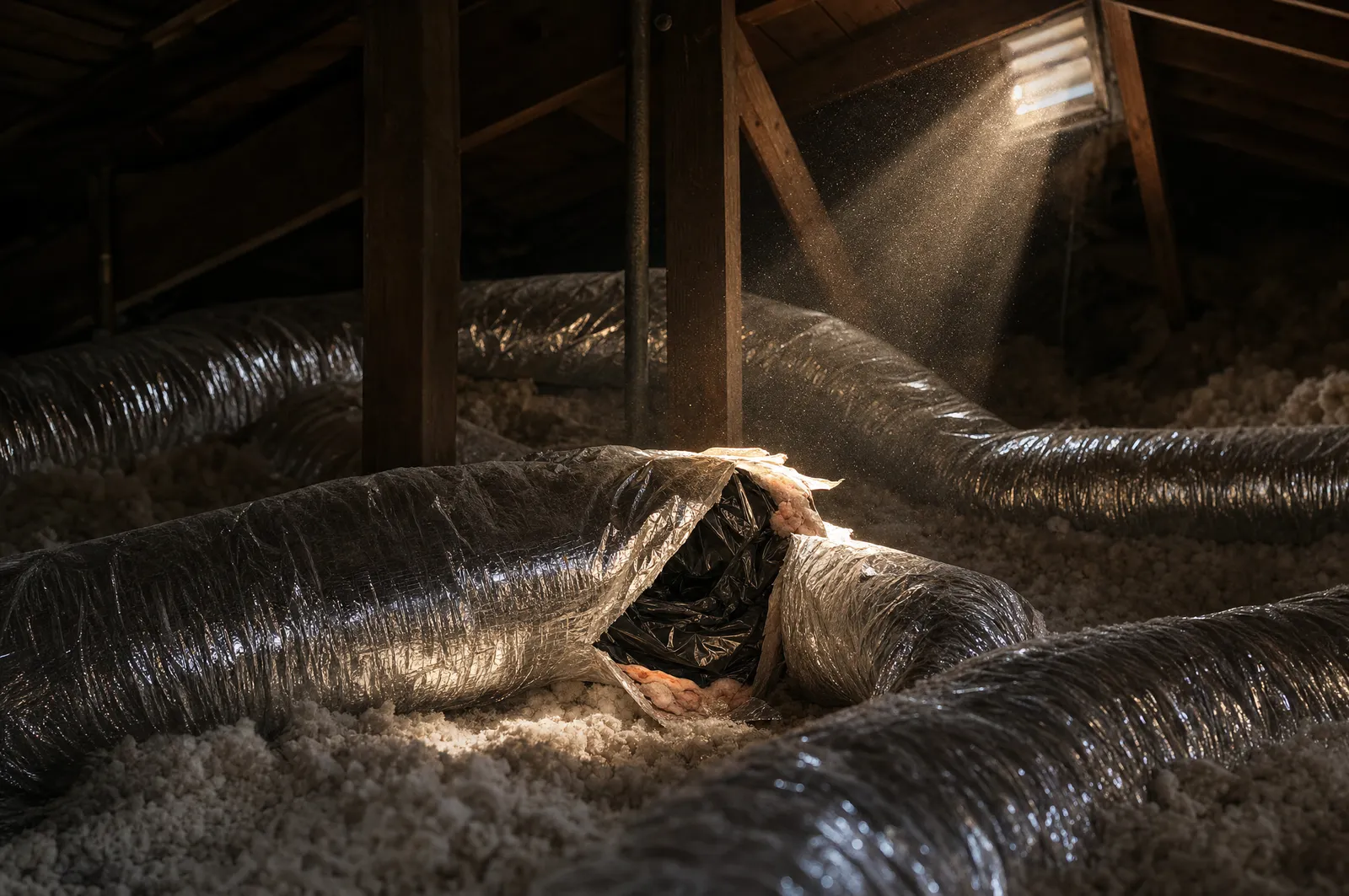
With the blower running, walk the house. Hold a hand over every register, including the guest room nobody opens and the upstairs runs that struggled in July. Strong heat downstairs and a thin, room-temperature trickle upstairs points at the ducts, not the furnace, and attic ductwork here takes a beating: the leaks that cost you cooling in August cost you heat in January. The two-story new builds around McKinney tend to starve the bedrooms over the garage, while the older brick single-stories in Allen more often have one far room on a long, crushed run. You find both with your hand, not with a hunch.
If It Fails the Test, Book It in September
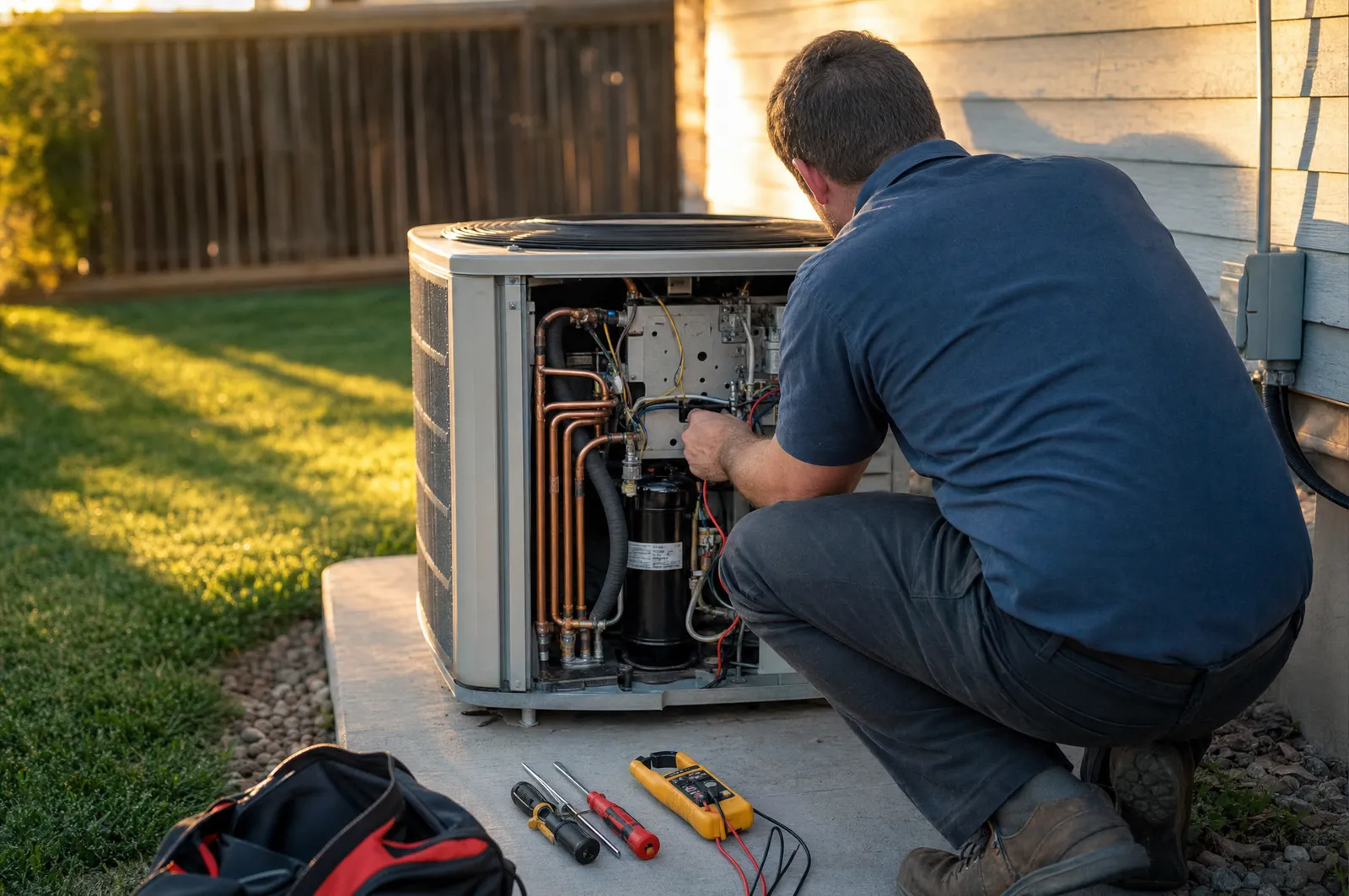
A test that ends in clicking, silence, or heat in half the house is a good outcome, oddly enough: you found it on your own schedule. Furnace repair in late September gets worked around your day. The identical repair during the first hard cold snap gets worked around everyone else's, and we say that as the people answering the phone that week. Diagnostics are free in either month.
One thing to know before that conversation. If a technician tells you the heat exchanger is cracked and the furnace has to be replaced, that is a serious finding, and a serious finding deserves proof. Ask to see the crack documented on camera before you approve anything, ours included. When the talk turns to repairing versus replacing, our free second opinion calculator runs the math with you before you commit to a number that size.
Ten Minutes Tonight Beats a Week in Sweaters
Run the test this week. If it whirs, clicks, whooshes, and blows in order, the first norther is just weather. If it doesn't, you have the rest of the shoulder season to fix it properly rather than fastest. A maintenance agreement covers the heating side too, with 10-year parts and 10-year labor warranties, so this becomes something we check every fall instead of something you remember. Book off the calendar on this page, send us a message, or call 972-421-8000. Free call-out, free diagnostic, and thirty years of North Texas Octobers behind the answer.