Quick answer: When a house feels humid with AC on, the system is cooling quickly but never running long enough to wring the water out of the air. Cooling and drying happen on the same indoor coil, but only long, steady runtime removes real moisture. An oversized or short-cycling air conditioner hits the setpoint in minutes and shuts down before it finishes that second job, leaving you at 72 degrees and still sticky. Aim for 40-55% indoor relative humidity and treat 60% as the line you don't cross.
September around here doesn't end summer so much as loosen its grip. The first week still runs into the low 90s, and the moisture riding up off the Gulf leaves DFW mornings thick enough to fog your glasses between the front door and the truck. Inside, the thermostat reads 72, the system cycles the way it always has, and the house still feels humid with the AC on. That last part is what nobody can make sense of while standing in it.
The sheets feel damp at bedtime. The bathroom mirror takes ten minutes to clear. The thermostat isn't lying to you. It's telling you half the story.
Cooling and Drying Are Two Different Jobs
Your indoor coil handles two kinds of heat at once. Sensible heat is the kind a thermostat can read, and it comes out of the air within minutes of the blower starting. Latent heat is the moisture, and it only leaves the house when water vapor condenses on the coil and runs out the drain, the way a glass of sweet tea sweats a ring onto a porch table in July.
Sensible cooling is fast work. Latent cooling is slow, and it wants a coil that has been cold and wet a while with air moving steadily across it. A system that quits the second the thermostat is satisfied has done the fast job and barely started the slow one. The air feels cool against your arm, and the water that made the room miserable is still in the room instead of going down the condensate line.
The Number That Matters More Than the Thermostat
The band you want is 40-55% relative humidity. Drier than that and you get static shocks off the door handle and sinuses that ache by morning. Above 60%, the ceiling the EPA draws, water starts condensing on cool surfaces, and drywall, wood, and fabric that stay damp can grow mold in a day or two. Dust mites, which can't survive long below 50%, start doing very well for themselves.
Comfort follows the same arithmetic your skin does. A house at 74 degrees and 65% humidity feels heavier than one at 76 degrees and 45%, because sweat evaporates slowly into air already loaded with water, and evaporation is how a body cools itself. That's why dropping the setpoint another two degrees so rarely fixes the feeling. You're pushing on the wrong number.
When the House Feels Humid With AC On, Time the Cycles
A correctly sized air conditioner is supposed to run long. On a 105-degree afternoon it may run close to continuously, and that's the design working, not the system struggling. Those long cycles are the whole mechanism: they keep the coil cold and wet long enough to strip water out of the air instead of merely chilling it.
Equipment that's too big does the opposite. It pulls the temperature down five degrees in eight minutes, satisfies the thermostat, shuts off, and repeats that all day. Time a cycle with your phone some hot afternoon: under ten minutes and you have your answer. The two-story new builds going up around Prosper are where we meet this most: a system picked for the handful of afternoons a year that touch 105, wrong for the hundred-odd cooling days on either side.
Sticky Air Is the Cheapest Part of the Problem
The stickiness is the symptom you notice. The damage is quieter. Hold a house above 60% for a couple of humid weeks and you get a musty smell no candle covers, condensation beading on interior glass and supply registers, wood floors cupping at the seams, and closets that smell like a gym bag.
Then there's the biology. Mold and dust mites want exactly the conditions you've accidentally built for them, and once either one is established, drying the air out afterward doesn't undo it. None of it arrives overnight, which is why so many homeowners file the whole business under "September in Texas" instead of a system that quit finishing its second job.
A Choked Coil Can't Dry Anything
Before you go looking for anything expensive, check what's blocking air across the coil. A clogged filter starves it, and a starved coil cools less and dries less for every minute the system runs. Worse, a loaded filter lets dust slip past its edges onto the fins, where it bakes into an insulating layer no amount of runtime can work through.
Change the filter monthly through cooling season, sooner with shedding dogs or a remodel down the hall. If you're losing the dust battle between changes, a whole-home air purification and filtration system catches the fine particles a one-inch filter never will and keeps the coil clean enough to do both jobs.
Let It Run Longer, Not Harder
If your instinct at six o'clock is to knock the thermostat down five degrees and catch up fast, you're working against yourself. A big setpoint drop is a request for speed, and the system answers it, then shuts off long before it touches the moisture. Pick a temperature you can live with, 75 or 76, and leave it there. The longer, gentler cycles that follow are the ones that dry a house out.
Some thermostats offer a dry or humidity mode that slows the blower during cooling, buying the air more contact time on a cold coil. If yours doesn't, blower speed and cycle timing can be dialed in at the equipment during a routine visit.
Right-Sizing Is a Replacement Decision
If the filter is clean, the coil is clean, and the unit still short cycles wherever you set the thermostat, the equipment is too big for the house. No repair fixes that. Capacity was decided the day it went in, and the correction is a real load calculation at replacement, run against square footage, insulation, window exposure, and duct layout instead of a number somebody rounded up for safety.
That's a big enough decision to slow down on. Our guide to repairing versus replacing an AC lays out where the line falls, and if somebody has already handed you a quote for a full system, run it through the free second opinion calculator before you sign.
Ventilate on Purpose, Not Through Leaks
Some of the moisture beating your air conditioner never came from inside the house. Ductwork runs through attics sitting above 130 degrees on a Texas afternoon, and every unsealed seam and loose boot up there invites hot, wet attic air into the system. ENERGY STAR puts duct losses in many homes at 20 to 30%, and in a humid month those leaks don't just waste cooling, they import what you're paying to remove.
The older housing stock east of the lake is full of it. Around Forney we open up ranch houses added onto twice, trunk lines re-routed both times, nobody testing the result since. Sealing or replacing the leaking runs pays back twice out there, once in comfort and once on the bill.
Outside air is getting in either way. The only question is whether it arrives on purpose. A fresh air ventilation system brings it in metered and filtered, so the house gets its air exchange without the humidity picking its own route through seams and door gaps.
Get the House Dry, Not Just Cool
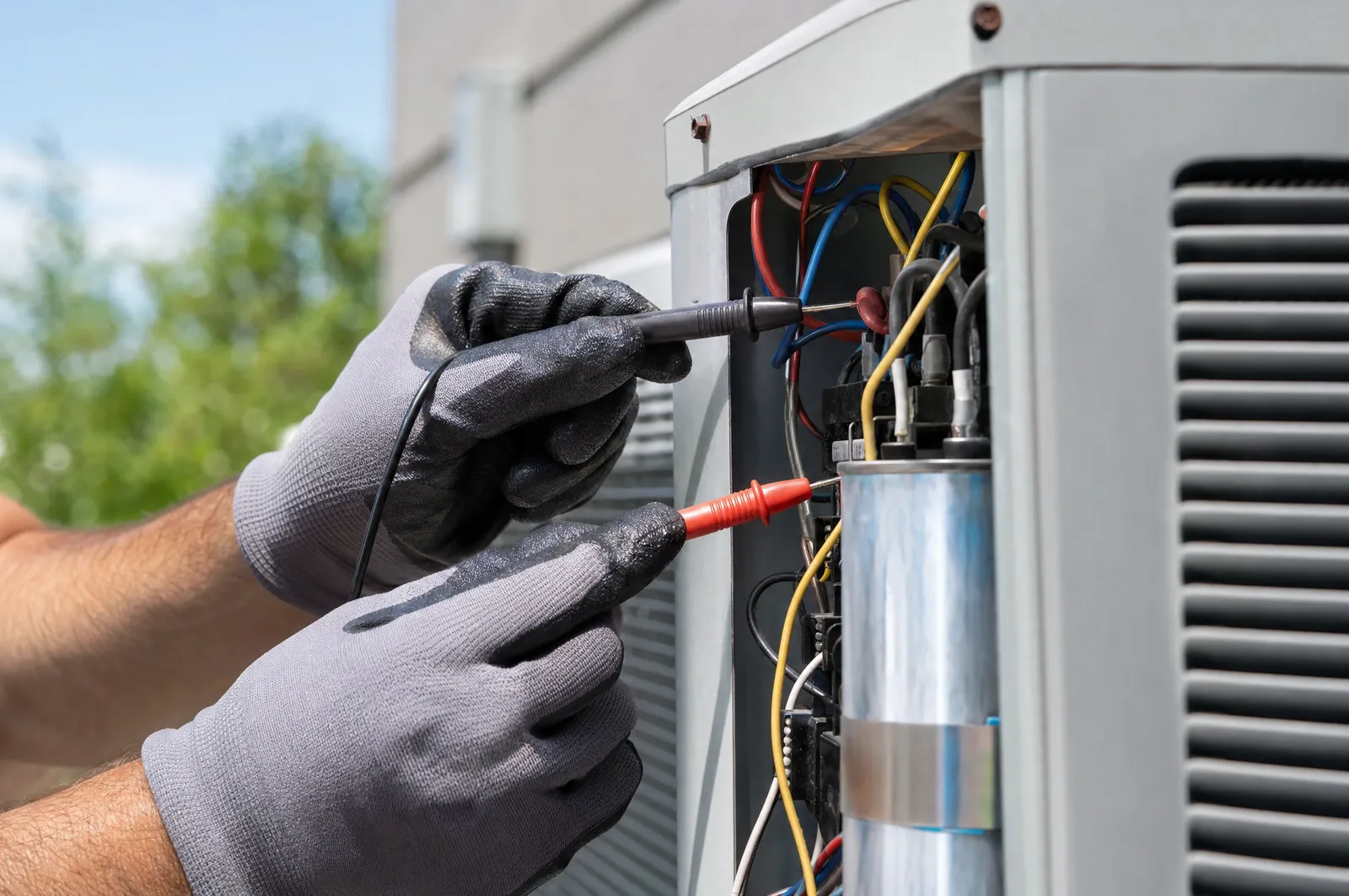
If the thermostat reads 72 and the air still feels like a wrung-out towel, that's worth an hour of somebody's time before the next round of Gulf moisture arrives. Book from the calendar on this page, send us the details online, or call 972-421-8000 and talk to a real person. We'll check filter, coil, airflow, and sizing, then tell you straight which one is costing you. The diagnosis is free whichever way it lands. That's how we've handled 30+ years of North Texas Septembers.