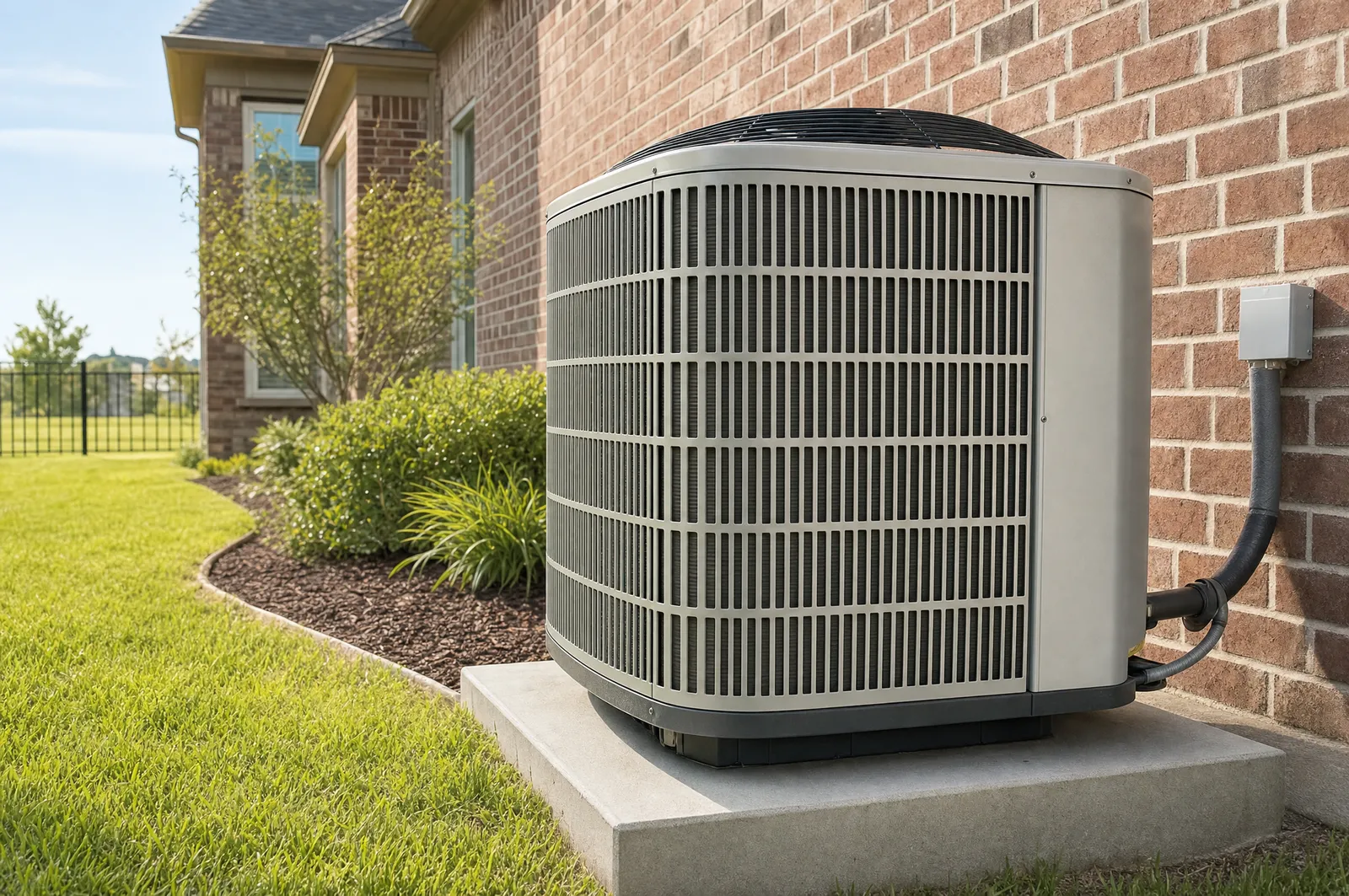
Quick answer: Ragweed doesn't stop at the front door, which is why fall allergies, indoor air quality, and the filter sitting in your return grille are one problem from now until the first freeze. Pollen rides in on clothes, pets, and open windows, and a thin filter and a leaky return duct keep it circulating for days afterward. Three things do the real work: filtration matched to your equipment, ductwork that is sealed and clean, and ventilation you schedule rather than ventilation that just happens. None of it cures an allergy. All of it decides how much of the outdoors you breathe indoors.
The first honest cool morning shows up in North Texas in the back half of September, and every window on the block goes up within an hour of sunrise. After four months of the AC grinding against 100-degree afternoons, 62 degrees at seven feels like something you'd be a fool not to let in. Two mornings later those same houses are working through a box of tissues apiece and blaming the weather.
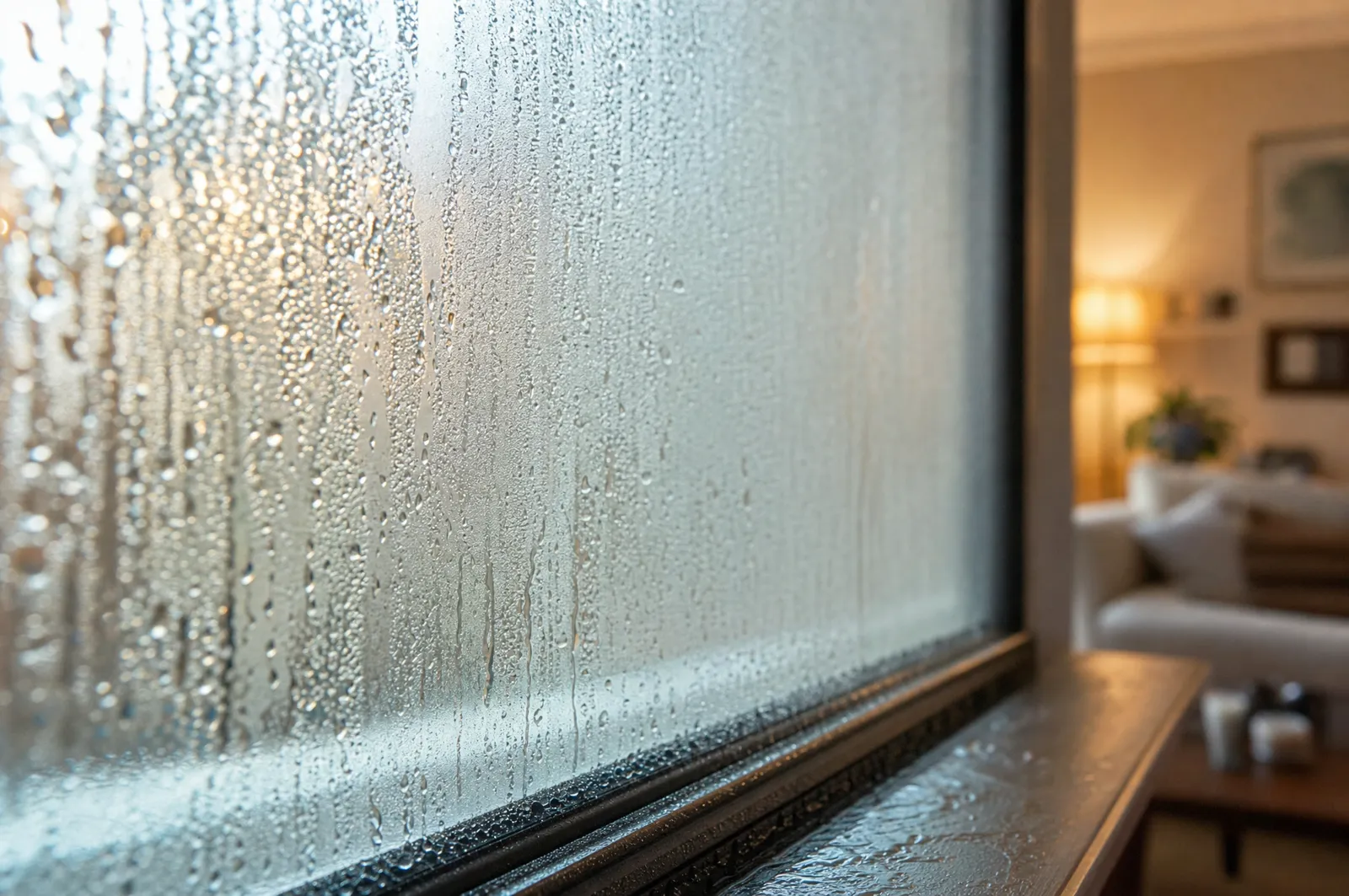
It isn't the weather. It's ragweed, and North Texas gets one of the longer runs of it in the country, because the freeze that shuts it down doesn't usually arrive until the middle or end of November. Closing the windows again doesn't end it, either. The pollen is already inside, and depending on your filter slot and the shape of your ducts, your system may be doing an excellent job of keeping it airborne.
For Fall Allergies, Indoor Air Quality Is the Half You Control
Nobody negotiates with a field of ragweed. You do get a say in what happens to the air once it's inside, and that's a bigger lever than people assume, because this is the stretch of fall when Texans move back indoors with the system running most of the day. Pollen behaves in here exactly like the dust you already fight: it hangs, it settles, and the blower kicks it back into the room every time it starts. If your filtration and ductwork were already marginal, ragweed is just the month that makes it obvious.
One Ragweed Plant Can Pollinate a Subdivision
A single ragweed plant can release up to a billion pollen grains in one season. Each grain runs roughly 20 microns across, light enough to stay up for hours and travel a hundred miles ahead of a north wind, so the plant responsible for your Tuesday may not be anywhere you could point to. Ragweed also favors the exact ground the metroplex keeps producing: disturbed, sun-baked dirt along a fresh road cut, or a lot that got scraped and then sat. Drive the frontage roads around Prosper this month and you are looking at miles of ideal habitat. None of this is cedar fever, incidentally. That one comes off mountain cedar in the dead of winter, a different season and a different plant.
Pollen Doesn't Use the Door the Way You Do
Shutting the windows helps. It doesn't seal anything. Pollen comes in on hair and shoulders, on the dog after a lap around the block, on a bag of mulch from the garden center, and a little rides the pressure change every time the back door swings. In a house where people actually live, none of that is preventable, which is why this fight gets won at the air handler, not the threshold.
The Filter That's Supposed to Catch It Usually Can't
Most homes are still running the thin fiberglass panel the builder left behind, and it was never built for this. Its job is keeping lint and grit off the blower motor. Anything under about MERV 8 does that and little else, which you can confirm by holding one up to a window and reading the street through it.
MERV is the rating scale, and you don't need the whole chart. Higher number, smaller particle. A MERV 11 takes out roughly 85 percent or better of everything in the 3 to 10 micron band, which is where pollen fragments, pet dander, and mold spores live. A MERV 13 does better again and reaches particles well under a micron. That last part earns its keep: whole ragweed grains break apart, and much of the allergen ends up riding fragments far finer than the grain it came from.
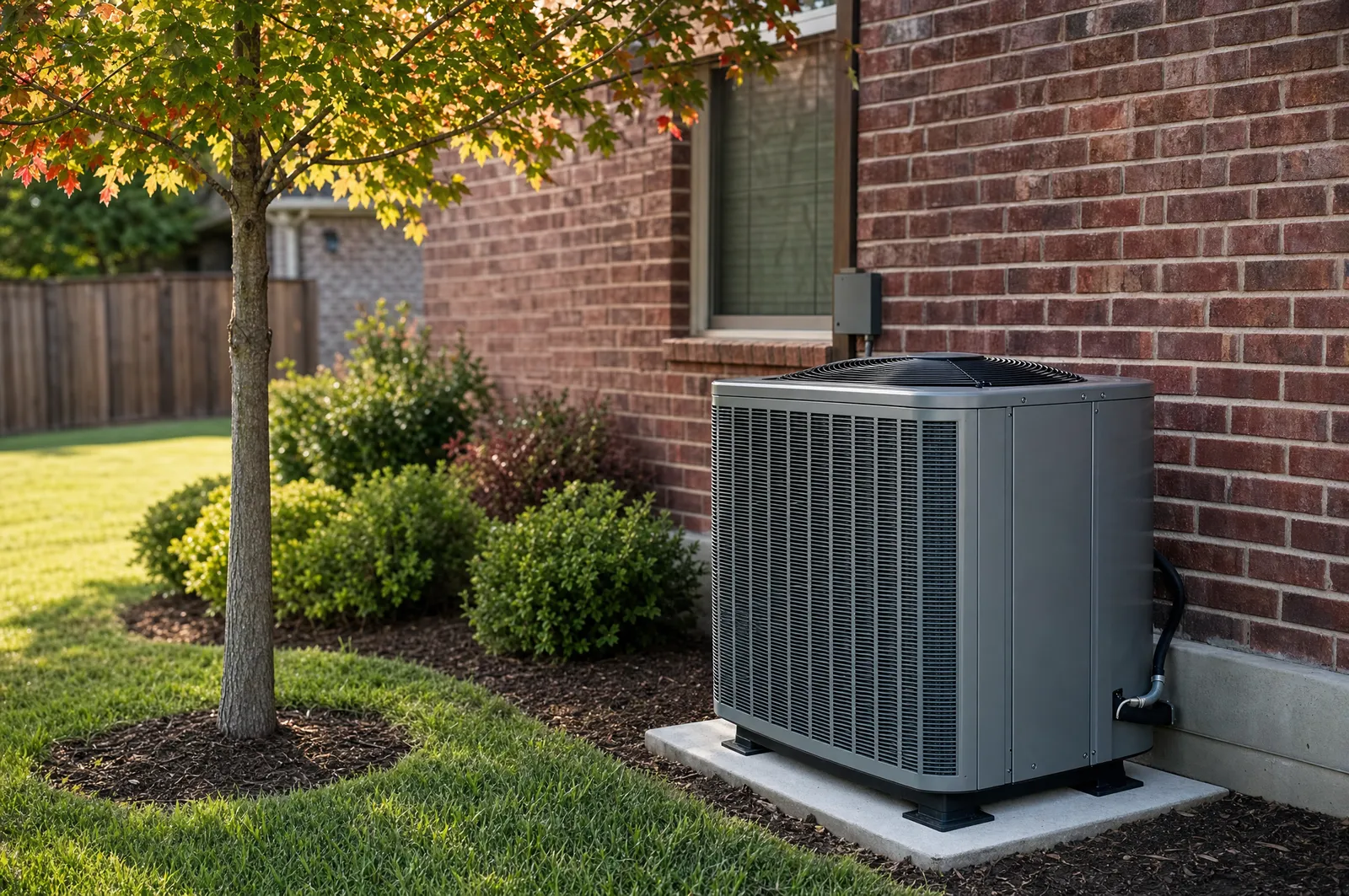
The catch is static pressure. Denser media is harder to pull air through, and a system already short on return capacity loses airflow faster than it gains cleanliness. That is worth measuring rather than guessing at in a hardware store aisle, and it is the difference between a filter and an air purification and filtration setup built around your equipment.
A Leaky Return Duct Breathes Your Attic For You
A gap in a return duct doesn't just lose air. It pulls air in from wherever it is, and in most DFW houses that means the attic: insulation fibers, roofing grit, and whatever drifted through the soffit vents, dragged into the stream and handed back through the ceiling registers as though it were conditioned air.
Attics here run past 130 degrees all summer, so the tape and mastic on builder-grade duct get cycled hard, and after a few years the seal is no longer the seal that passed inspection. Both halves need attention. A duct cleaning gets the accumulated load out, and sealing or replacing the bad runs stops the system restocking it every time the blower kicks on.
Fresh Air Should Be a Decision, Not a Draft
There's a timing problem buried in the open-window instinct. Ragweed sheds in the morning and the airborne count climbs through late morning toward a midday peak, so the window you throw open at seven stays open for the whole ramp. Out around Celina, where newer streets still back onto open pasture, that's an unmowed fence line feeding your return air directly.
Controlled ventilation gets you the trade you were actually trying to make. A fresh air ventilation system brings outdoor air in on purpose, through filtration, on a schedule you set. Stale air in tight modern construction is a real problem. An open sash in ragweed season is an expensive way to solve it.
What Cleaner Air Actually Buys You
The straight version: better filtration, sealed ducts, and controlled ventilation measurably cut how much pollen ends up in the air you breathe at home, and the people who notice first are usually the ones waking up stuffed up. What none of it does is cure an allergy. If ragweed still has you flattened once the indoor air is genuinely clean, that's a conversation for a doctor, not a technician. We can hand you a cleaner fight, not a finished one. If dust has been a running argument in your house since long before ragweed, our piece on why the dust keeps coming back works the same problem from the duct side.
Ragweed Season Hands Straight Off to Heating Season
Ragweed runs until the freeze, which lands in roughly the same few weeks the heat comes on for the first time since March. Everything that settled in the ducts all fall goes for a ride the moment that blower starts, and the first burn smells like scorched dust for an hour as a summer's worth of it cooks off inside the furnace. That is normal, and it clears.
A smell that keeps going, or one that turns plastic or electrical, is not. Shut the system down and have it looked at. A gas smell isn't a filtration question at all: get everyone out and call the gas company from outside. And while the air in the house is on your mind, confirm you have a working carbon monoxide detector on every floor and an annual heating check on the calendar.
Ragweed Has Until November. Your House Doesn't Have to Wait.
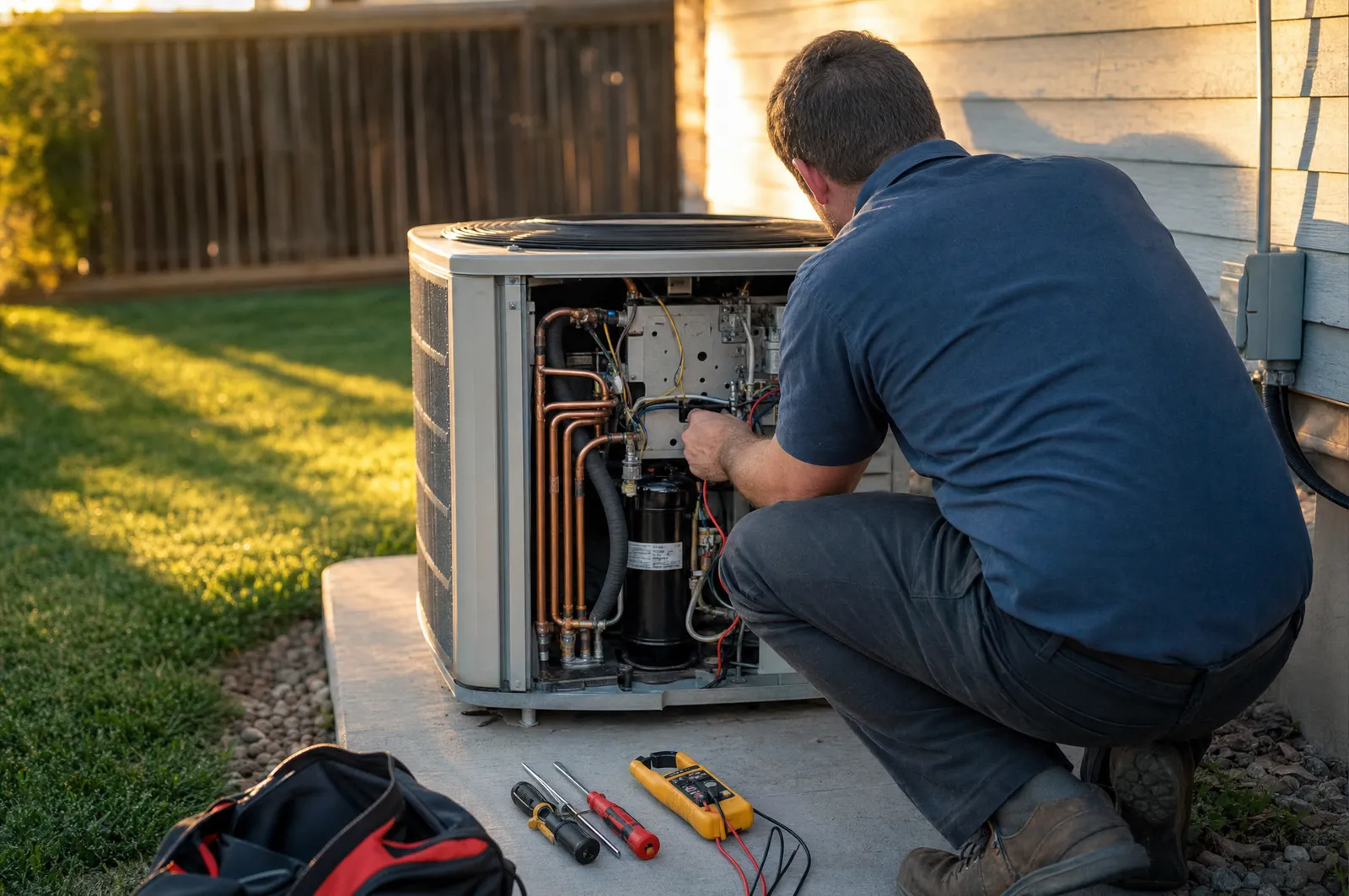
You can book straight from the calendar on this page, reach us through the contact page, or call 972-421-8000 and get an actual person. The call-out is free, so is the diagnostic on your filtration and ductwork, and our pricing is published so you see what a fix costs before you agree to it. That's how we've handled it for DFW homeowners for 30+ years.