Quick answer: The best thermostat setting for a Texas summer lands in the 75 to 78 degree range while you're home and awake, with two or three degrees of cushion once the house empties out. Where you land inside that range matters less than how the air gets there: 75 with the humidity wrung out beats 72 in air that never quite dries. Ceiling fans and a gentle schedule buy more comfort per dollar than a colder number will. If your system can't hold the number you pick, that's a question for an annual AC tune-up.
Every August the same negotiation plays out in kitchens across DFW. One person wants 72, because 72 is what comfortable has always felt like. The other holds up the electric bill and says 78, as though ENERGY STAR chiseled the number into a tablet. The dog picked a side hours ago and is lying flat on the tile by the back door.
They're both partly right, and the number they're arguing over is softer than either one thinks. It was written for an average American house, not for a brick two-story whose west wall bakes from two in the afternoon until sundown, fed by ducts running through a 130-degree attic. Your humidity, your sun exposure, and your equipment all get a vote.
The Best Thermostat Setting for a Texas Summer Is a Range, Not a Number
That famous 78 was never a decree. It shows up as the example figure in the programmable thermostat schedules ENERGY STAR publishes, and the EPA has said plainly that it isn't telling anyone what temperature to live at. The program's real advice is about movement rather than a setpoint: raise the setting roughly 7 degrees while the house sits empty, about 4 degrees overnight.
Most of the houses we walk into in August sit between 74 and 77 while people are home, and that's a defensible place to be. A household with a toddler who naps at one needs a different plan than a couple who leave at seven and get back at six. Pick the warmest number nobody complains about, then win the difference back with humidity, fans, and timing.
What a Single Degree Costs You
The rule of thumb worth carrying: each degree you drop below roughly 78 adds about 3 percent to your cooling cost, and in leaky, sun-beaten houses the people who measure it put that closer to double. Going from 78 to 72 is six degrees, so call it a fifth more on the cooling half of the bill. Across a season that runs May into September, that stops being a rounding error around the second week of June.
None of which means you owe anybody a summer at 80. It means an electric bill that lands a hundred dollars past last August is more often a thermostat somebody nudged down two degrees in June and never nudged back than a system that has failed.
Why Cranking It to 68 at Five O'Clock Backfires
Walking into a hot house and punching the thermostat down ten degrees feels like it ought to force colder air out of the vents. It doesn't. Your air conditioner removes heat at one fixed rate, and 68 on the display doesn't make the compressor try harder than 76 does. All the lower number buys is a longer runtime chasing a target the house may not reach before bedtime.
Deep daytime setbacks cost more here than they would in Ohio, which is where we part company with the national advice. Let the house drift to 85 while everyone's at work, then ask for 70 the second the garage door goes up, and you've handed the system eight hours of stored heat to pull back out of the drywall, the furniture, and the attic overhead. A properly sized unit fresh off its spring tune-up claws that back over a couple of hours. A tired one just runs, and runs, and gets blamed for it.
The 20-Degree Rule Your System Lives By
Here's the constraint nobody prints in the owner's manual. A correctly sized central air conditioner is built to hold roughly a 20-degree difference between outdoor and indoor temperature on a design day, and the DFW summer design temperature sits right around 100. So on a genuine 105-degree afternoon, an indoor reading in the low 80s with the unit never shutting off is the equipment doing its job, not failing at it.
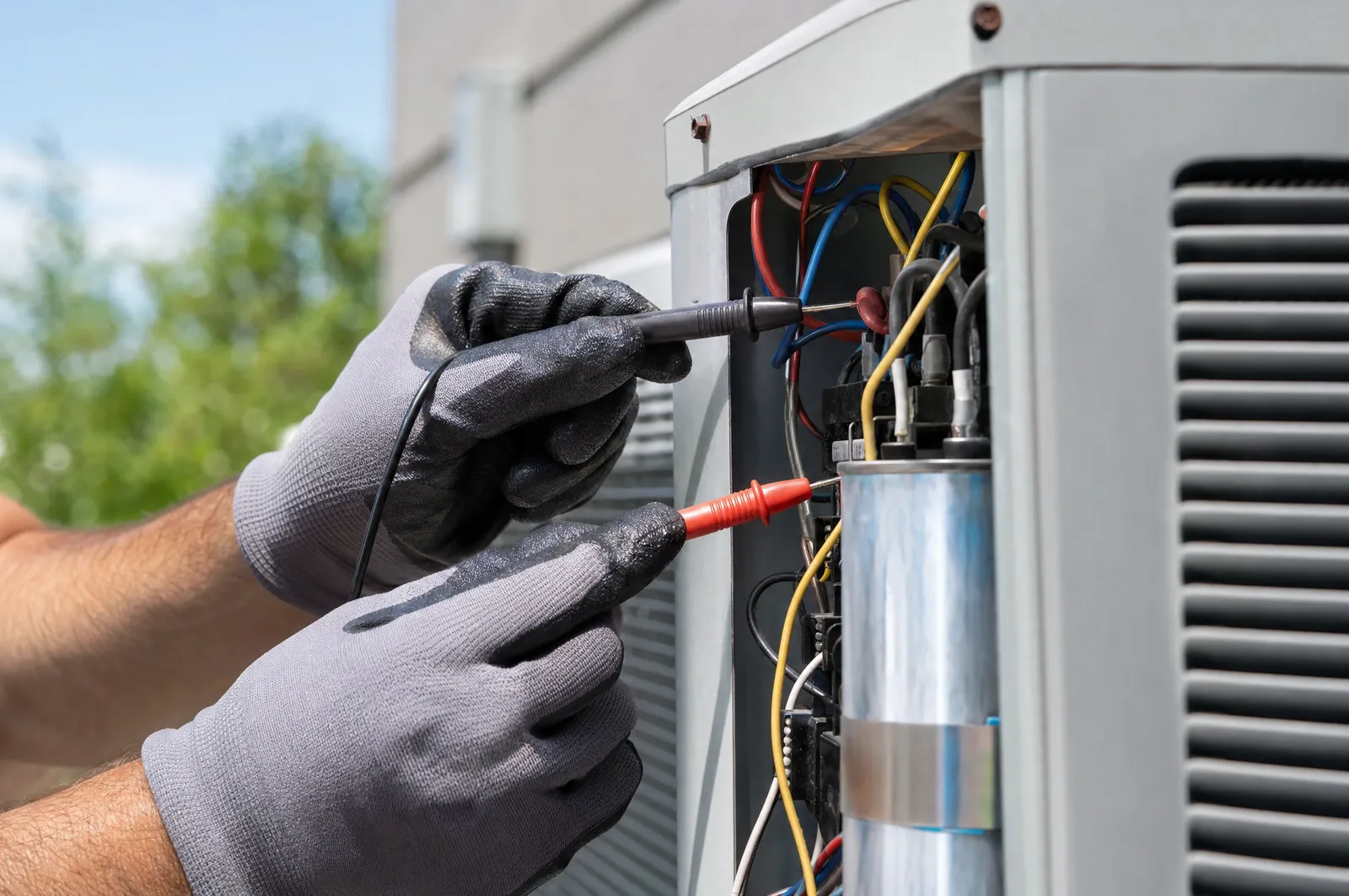
When the thermostat says 70 on one of those afternoons and the house holds stubbornly at 79, the setting isn't what's wrong. You asked for everything the unit had an hour ago. What's worth knowing is whether that gap has quietly narrowed over the last few summers, and that's a measurement rather than a guess. Diagnosing an AC that can't keep up costs nothing here.
Humidity Beats the Number on the Wall
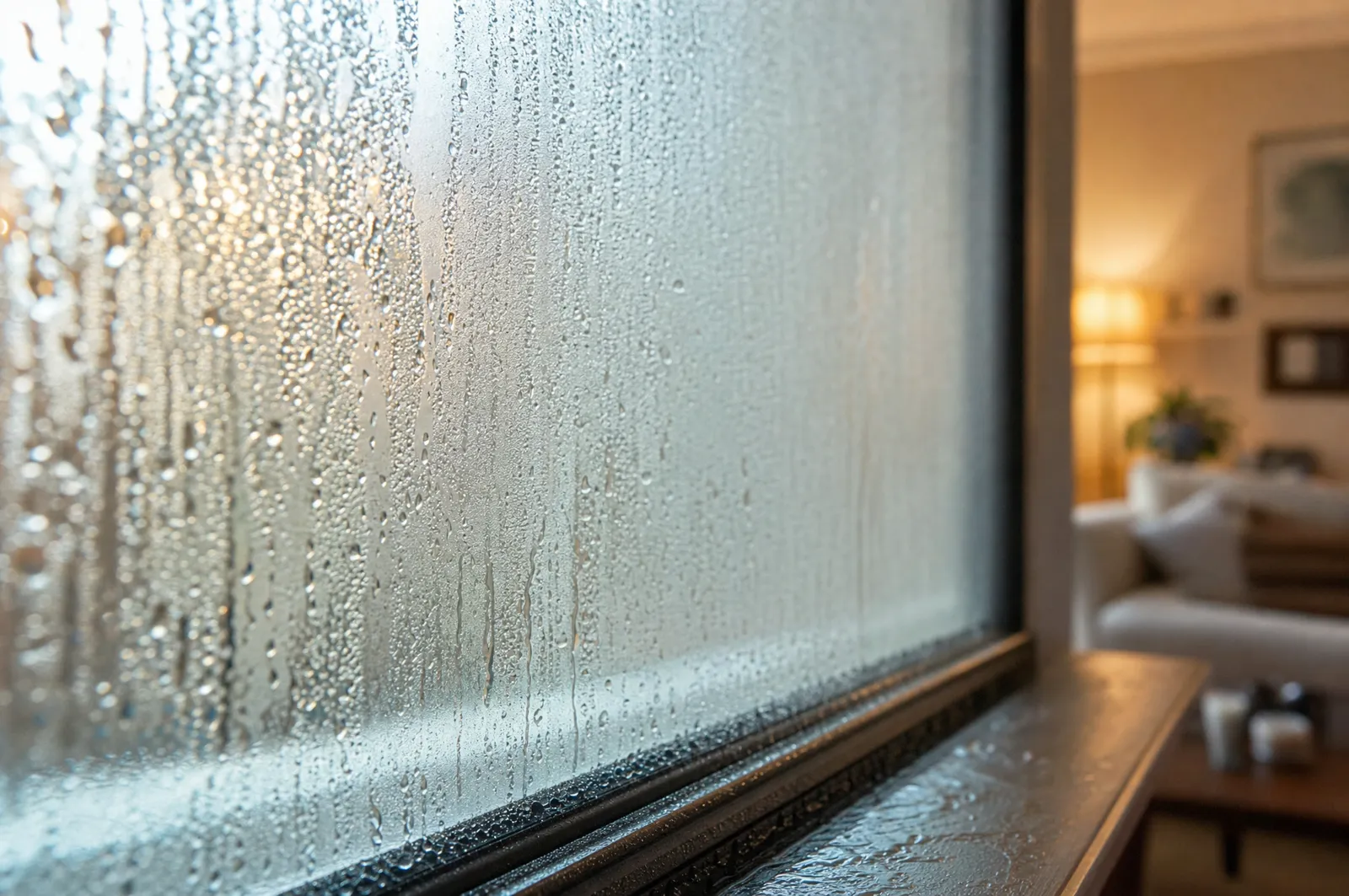
Two houses at the same temperature can feel nothing alike, and the variable is moisture. A house held at 75 with the humidity wrung out beats one at 72 where the air still carries a damp weight, because your body cools itself by evaporating sweat and saturated air won't let it. Chase 75 and dry before you chase 72 and clammy.
The catch is that dehumidification takes runtime. A system only pulls water out of the air while it's running and the coil is cold, so a unit that satisfies the thermostat in eight minutes leaves you cool and sticky at once. We see it constantly in the older ranch homes around Richardson, where a tidy 1,700 square foot house gets a replacement unit a full ton bigger than it needed, and nobody can work out why 72 still feels swampy.
A Ceiling Fan Is Worth About Four Degrees
A ceiling fan doesn't lower the temperature of a room by so much as a degree. It moves air across your skin fast enough to speed up evaporation, and the Department of Energy credits that wind chill effect with about 4 degrees of felt comfort. Switch the fan on, raise the setting three degrees, and most households can't find the difference anywhere except the bill.
Fans cool people, not rooms. One spinning in an empty bedroom is a small space heater with good intentions. Put them where your family actually sits, which in Allen's newer two-stories usually means the game room over the garage, and flip them off on the way out. Adding a ceiling fan to the two or three rooms you genuinely use pays for itself in one summer of running three degrees warmer.
Build a Schedule Your Thermostat Can Keep
The schedule that survives a Texas August is a gentle one. Rather than one dramatic swing, let the setpoint drift up two or three degrees while the house is empty, then ease it back down 30 to 60 minutes before the first person walks in. That's a shallower setback than the efficiency programs suggest, and it's the trade we make for 105-degree afternoons: the system finishes the job at five o'clock instead of starting it. A smart thermostat with a week of your routine in memory handles that timing without being asked.
Where the thermostat hangs matters as much as what it's set to. One on a hallway wall that catches afternoon sun, or a few feet off the kitchen, reads warmer than the rest of the house and overcools everything else to satisfy itself. If yours drifts from what it displays, won't hold a setpoint, or has no schedule worth the name, a thermostat repair or replacement is a short job, and everything else here depends on it telling the truth.
Whatever Number Keeps the Peace, We'll Help You Hit It
Land on 78, or 75 with the fans running, or 74 because that's how the household voted. What matters is that your system can reach that number and hold it without running itself ragged. Book a visit from the calendar on this page, send us a note online, or call 972-421-8000 and talk to somebody local. Call-out, diagnostic, and estimate are all free, and pricing is published upfront so you see the cost before anyone touches your equipment. Stork's has been settling this argument in DFW living rooms for more than 30 years.